Network Fundamentals
Search
Ask the AI

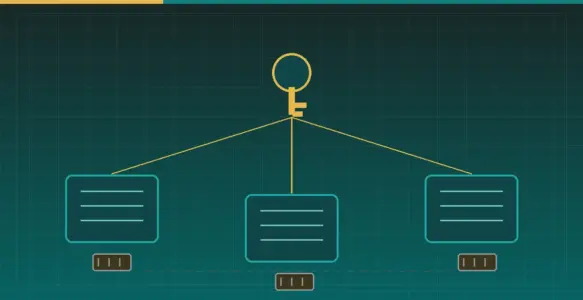
Sharing a Secret Is Easy; Sharing State Is Not: Six Traps in Cross-Machine SSO

Extending a single-machine login gate into SSO across subdomains makes key distribution the easy part — state is the hard one. This records the problems from running one gate on three machines: why replay protection became per-site, how a second copy of the key produced “gate passes, application returns 401”, how an allowlist preservation rule in a deploy script silently switched login off, and why comparing generated codes manufactures phantom failures.


Authenticated Is Not Protected: Auditing an Authorisation Boundary

After putting a two-factor gate in front of a self-hosted file manager, I asked what the gate actually protected. It protected the interface, not the files — the same bytes were reachable by two URLs, and while verifying that I found the gate had never been in the request path at all. This covers the audit, two nginx traps in the patch, and the edge cache that kept serving for nearly a year after the origin was closed.

Does Inbound Actually Work? Probing a Home Line From the Outside

Every port looks open when you scan from the machine itself, and nothing outside can connect. This covers why local probing is guaranteed to mislead, why a control port is not optional, and a full measurement run: public IPv4 that is not CGNAT, ports 80 and 443 filtered rather than closed, a real IPv6 address with inbound entirely dropped, and why an AAAA record must not come from an echo service.

A Certificate Is Not HTTPS: Debugging a Subdomain Reported as “Uncertified”

Someone told me a subdomain had no SSL certificate. It did — a wildcard covered it. But the investigation surfaced something worse: that subdomain served its mail login page over plain HTTP, password field and all, with no redirect. Plus two things that sent me the wrong way: openssl failing on every target at once, and DNS enumeration being meaningless behind a transparent proxy.

Scroll down